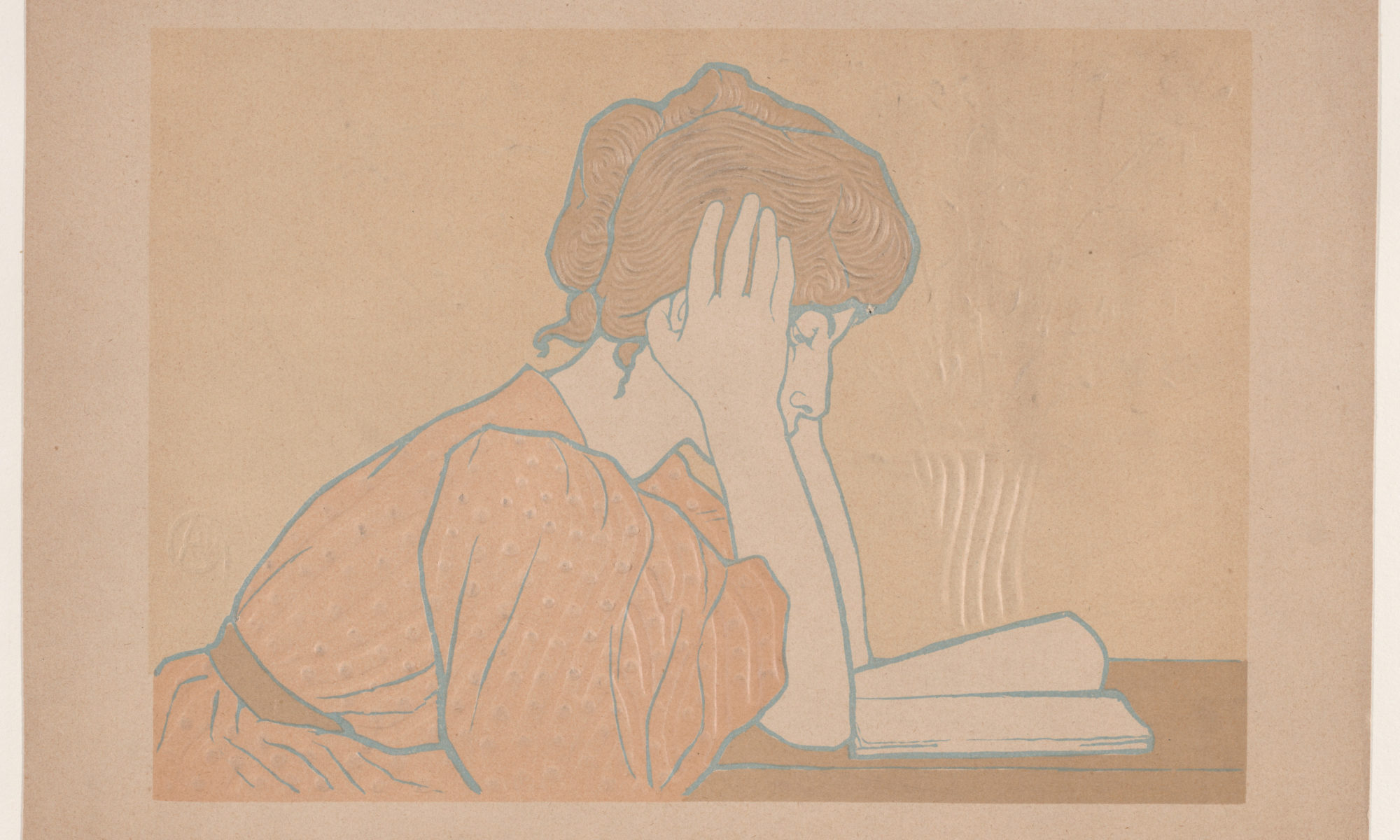
“Criticism must become more scientific, or precise and systematic. . .”
Ransom, John Crowe. “Criticism, Inc.” VQR (1937).
Introduction
Close reading is careful, critical analysis of a short text that focuses on identifying significant details and patterns in order to develop a deep, precise understanding of a text’s form and meanings. It is one of the most important skills for writing about literature.
A close reading has two steps. First, you read (and re-read) the text systematically to produce detailed descriptions of the text’s form and content. Next you make interpretive guesses about the meaning of the text based on the data you’ve unearthed. Being a good close reader requires you to be able to dig deep into a text to keep finding data; and it also requires you to sift through that data to identify the significant details from the insignificant ones.
As with any essay in which you’re making an argument, the goal of an essay based on a close reading is to persuade the audience that the argument is both correct and worthy to be heard (no one wants to have their time wasted with a pointless argument!).
Assignment
Write a short essay in which you identify a theme in Like Water for Chocolate that is dealt with in a way you find thought-provoking. Explain the questions the novel is asking about the theme by doing a close readings, and comparing two scenes in the novel. Write the essay to an audience of professional literary scholars who may have not read LWFC.
Before-you-turn-in-essay Check List
- Essay is at least 900 words, with the number listed at the end of the essay;
- Essay is formatted following professional style guidelines (See the Purdue MLA sample paper for specifics on margins, headings, titles, page numbers, Works Cited pages, etc.);
- All quotations, and paraphrased ideas from other sources have citations;
- Essay has a Works Cited page that includes all works cited in the essay;
- Essay has a title that indicates the essay’s main argument;
- A thesis that clearly identifies a significant theme in the text and explains the comparison the essay will do;
How have we prepared for this essay?
- In class, we’ve done close readings of the title, the epigraph, and scenes throughout the novel;
- In class, We’ve defined and used important terms used in literary criticism (symbol, metaphor, imagery, description, diction, subjectivity, meter, rhythm, rhyme, allusion, etc.)
- In class and in readings we’ve discussed how the “form” and “content” of a text relate
- We’ve compared the structure of the novel to other serial forms of media;
- We’ve compared the structure of the novel to other media stereotypically authored by women;
- We’ve compared documentary evidence to narrative;
- We’ve read scholarly critiques of the novel.